
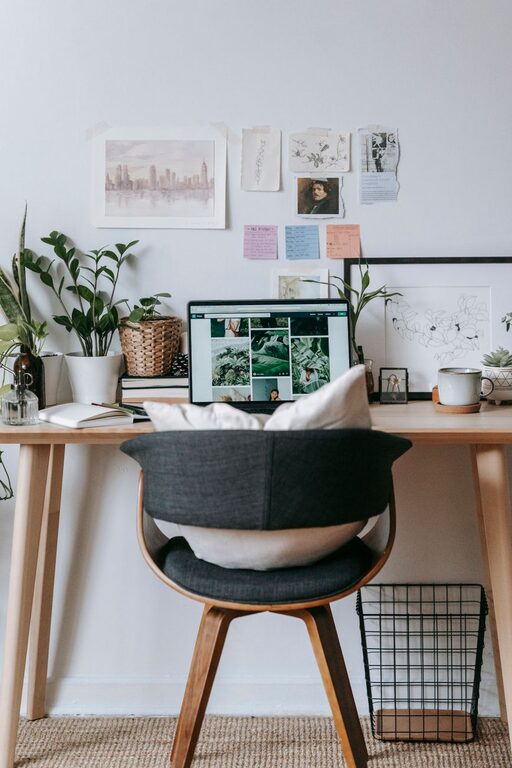
Creating a home office that feels both cozy and functional can greatly improve your work-from-home experience. A well-designed workspace helps boost productivity, reduce stress, and maintain a healthy work-life balance. Whether you have a dedicated room or a small corner, you can transform it into a comfortable environment tailored to your needs.
In this post, we’ll explore simple and practical tips to create a home office space that is both inviting and efficient.
Choose the Right Spot
Assess Your Space
Start by identifying an area in your home where you can set up your office. Ideally, it should be quiet, away from heavy foot traffic, and have enough room for your desk and chair. Natural light is a plus, so try to pick a space near a window if possible.
Consider Privacy and Noise Control
If privacy is important for conference calls or focused work, opt for a room with a door you can close. Use rugs, curtains, or sound-absorbing panels to reduce noise levels and create a peaceful atmosphere.
Select Comfortable and Functional Furniture
Invest in an Ergonomic Chair
Comfort is key for long hours of work. Choose a chair that provides good lumbar support, adjustable height, and comfortable cushioning to keep you sitting correctly and prevent back pain.
Pick a Desk That Fits Your Needs
Your desk should have enough surface area for your computer, notebooks, and other essentials. If space is limited, consider a wall-mounted desk or a compact corner desk to maximize your area.
Add Storage Solutions
Keep your workspace tidy by incorporating storage like shelves, filing cabinets, or desktop organizers. Organized spaces reduce distractions and help you find what you need quickly.
Optimize Lighting
Use a Mix of Natural and Artificial Light
Natural daylight improves mood and focus, so position your desk near a window if possible. For days when natural light is limited, have a quality desk lamp with adjustable brightness to reduce eye strain.
Choose Warm and Balanced Lighting
Soft, warm lighting tends to create a cozy atmosphere. Avoid harsh, overhead fluorescent lights. Instead, combine different sources like floor lamps, task lighting, and ambient lights to balance brightness.
Personalize Your Space
Add Plants or Greenery
Indoor plants not only enhance aesthetics but also improve air quality and reduce stress levels. Low-maintenance plants like succulents or pothos are perfect for offices.
Decorate with Meaningful Items
Incorporate photos, artwork, or inspirational quotes that motivate you. Just be careful not to overcrowd your workspace — keep it simple and clutter-free.
Use Color Thoughtfully
Colors influence mood and productivity. Soft blues and greens promote calmness, while pops of yellow or orange can encourage creativity. Choose colors that suit your personal style and work habits.
Maintain an Organized and Clutter-Free Environment
Develop a Filing System
Organize important documents into labeled folders or digital files. This prevents piles of paper from accumulating and makes it easier to locate what you need.
Declutter Regularly
At the end of each week, take a few minutes to tidy your desk, dispose of unnecessary items, and reset your workspace for the next week.
Use Cable Management Tools
Keep cords and chargers neat with cable clips, sleeves, or boxes. Tangled wires can make a space look messy and cause distractions.
Incorporate Technology Wisely
Choose Reliable Equipment
Invest in a dependable computer, a good quality headset for calls, and other tools that make your work easier.
Use Wireless Devices When Possible
Wireless keyboards, mice, and printers reduce cable clutter and provide flexibility in arranging your workspace.
Organize Digital Tools
Keep your software, apps, and files well-organized on your computer. Use productivity tools and calendars to manage your workload effectively.
Create Boundaries to Separate Work and Life
Set Specific Work Hours
Having clear work hours helps establish a routine and prevents work from spilling over into personal time.
Use Physical Reminders
Closing your laptop or turning off office lights signals the end of the workday. If possible, close the door to your office to mentally separate work time.
Include a Relaxation Corner
If space allows, add a cozy chair or cushion where you can take breaks, stretch, or read. This helps you recharge without leaving your home.
Final Thoughts
Designing a cozy and functional home office is about finding the right balance between comfort, organization, and style. By carefully selecting your space, furniture, lighting, and personal touches, you can create an environment that supports both productivity and well-being.
Remember, your home office should work for you. Feel free to adapt these tips to fit your lifestyle and preferences. A pleasant workspace can transform the way you work, making each day more enjoyable and efficient. Happy decorating!